Have any questions? +1 646.844.5712 (US)

  • Facebook
  • LinkedIn
  • Twitter
HiTech ServiceHiTech Service
  • Home
  • About
  • Services
    • Software Development
    • Customer Support
    • Quality Assurance
    • Managed Services
    • Compliance Audit
    • GDPR Compliance
    • Competency Center
    • Emergency IT Support
    • Software as medical device
    • Local AI Agent Development
  • Projects
  • GDPR
  • Articles
  • Case Studies
  • Contact
Menu
  • Home
  • About
  • Services
    • Software Development
    • Customer Support
    • Quality Assurance
    • Managed Services
    • Compliance Audit
    • GDPR Compliance
    • Competency Center
    • Emergency IT Support
    • Software as medical device
    • Local AI Agent Development
  • Projects
  • GDPR
  • Articles
  • Case Studies
  • Contact
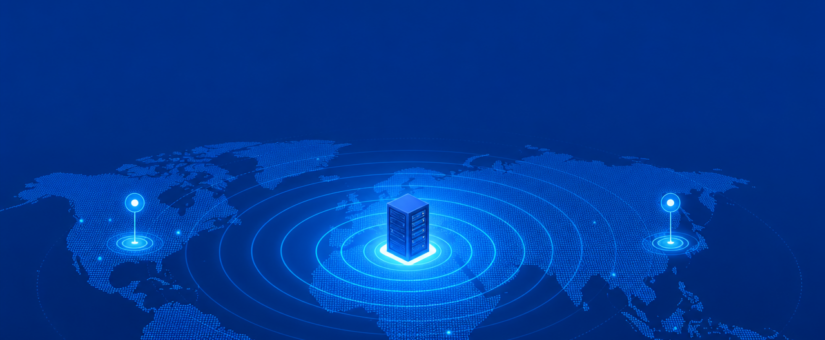
A glowing server rack epicenter at the center of a world map with concentric shockwave rings expanding outward toward two highlighted regions

Microsoft’s Own AI Service Took Down Azure for Nearly 8 Hours — Because of a Change That Looked Fine in One Region

By Oleg

At 09:20 UTC on May 29, 2026, an internal change to how Microsoft’s cloud infrastructure surfaces capacity-related failures started causing trouble in a single Azure region, Australia East. By the time Microsoft fully contained it at 17:05 UTC — nearly eight hours later — the same rollout had been pushed to a second, much busier region while engineers were still investigating the first, turning a regional blip into a multi-continent outage of the Azure OpenAI Service.

The postmortem timeline Microsoft published is unusually specific, and it’s worth walking through step by step, because the interesting failure here isn’t the initial bug. It’s the decision, made mid-incident, to keep rolling the same change forward before anyone had confirmed what it was actually doing.

The Timeline
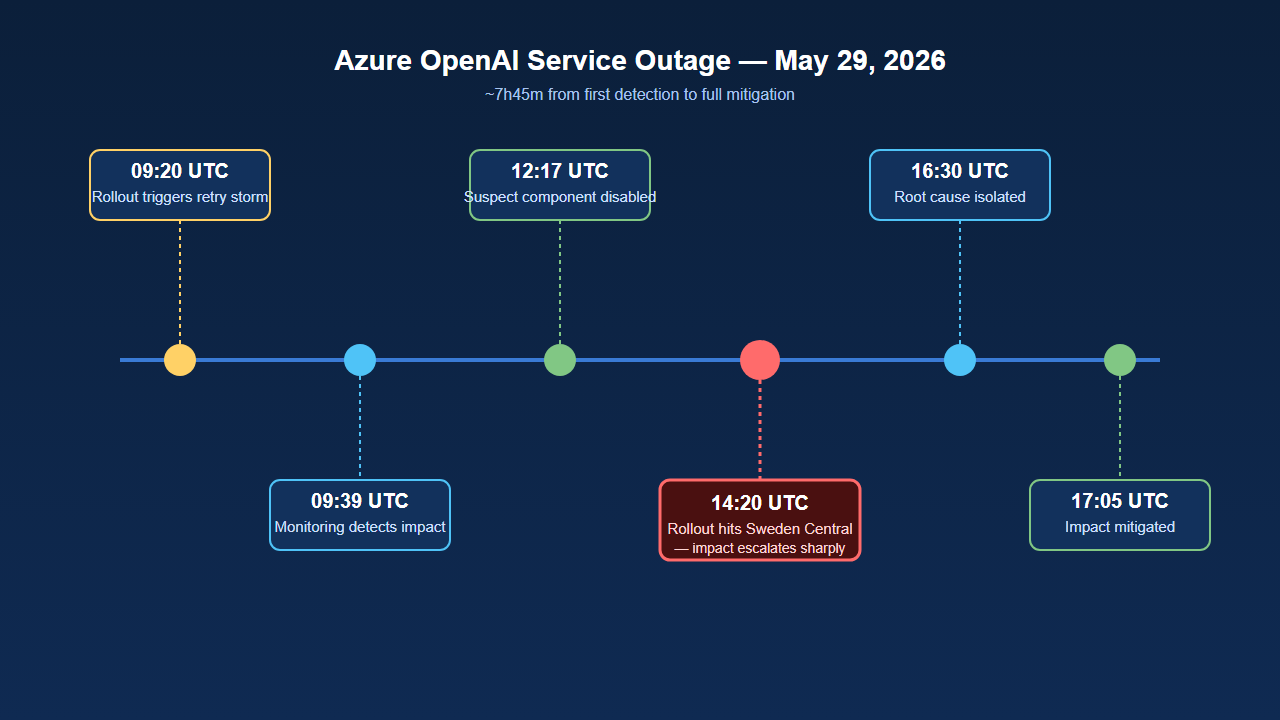
A timeline diagram of the May 29, 2026 Azure OpenAI Service outage, from the 09:20 UTC rollout trigger through detection, a partial fix, the 14:20 UTC escalation to Sweden Central, root cause isolation, and mitigation at 17:05 UTC

The trigger was an upstream change that altered how certain capacity-related failures were surfaced internally — not a capacity shortage itself, but a change in how the system reported and reacted to one. That altered reporting caused a rapid, unexpected increase in internal retry traffic: services detecting what looked like transient failures and retrying more aggressively than the system was built to absorb. That retry storm overwhelmed a shared inference load balancer, the component responsible for distributing AI inference requests across backend capacity.

Automated monitoring caught the drop in request success rates at 09:39 UTC, nineteen minutes after impact began, and incident response kicked off. By 12:17 UTC, engineers had used early crash diagnostics to identify a component they suspected was contributing to the instability and disabled it — a plausible fix, and one that presumably looked like it was addressing the problem.

Then, at 14:20 UTC, the same upstream rollout that had caused the original trouble in Australia East reached Sweden Central. Sweden Central carries significantly higher traffic volume than the initial affected region, and the same retry-amplification dynamic hit a shared load-balancing layer under much heavier real load. The disabled component from two hours earlier hadn’t fixed the underlying cause — it had only addressed a symptom in the original region — and the second rollout re-triggered the same failure mode at a scale the first incident hadn’t prepared anyone for.

It took until 16:30 UTC — over two hours after the Sweden Central escalation, and seven hours after the original detection — for engineers to actually identify the source of the amplified retry traffic, isolate the offending workload onto dedicated infrastructure, and begin coordinating a rollback of the triggering change with the upstream team. Impact was confirmed mitigated by 17:05 UTC.

Why the Sequence Is the Real Story
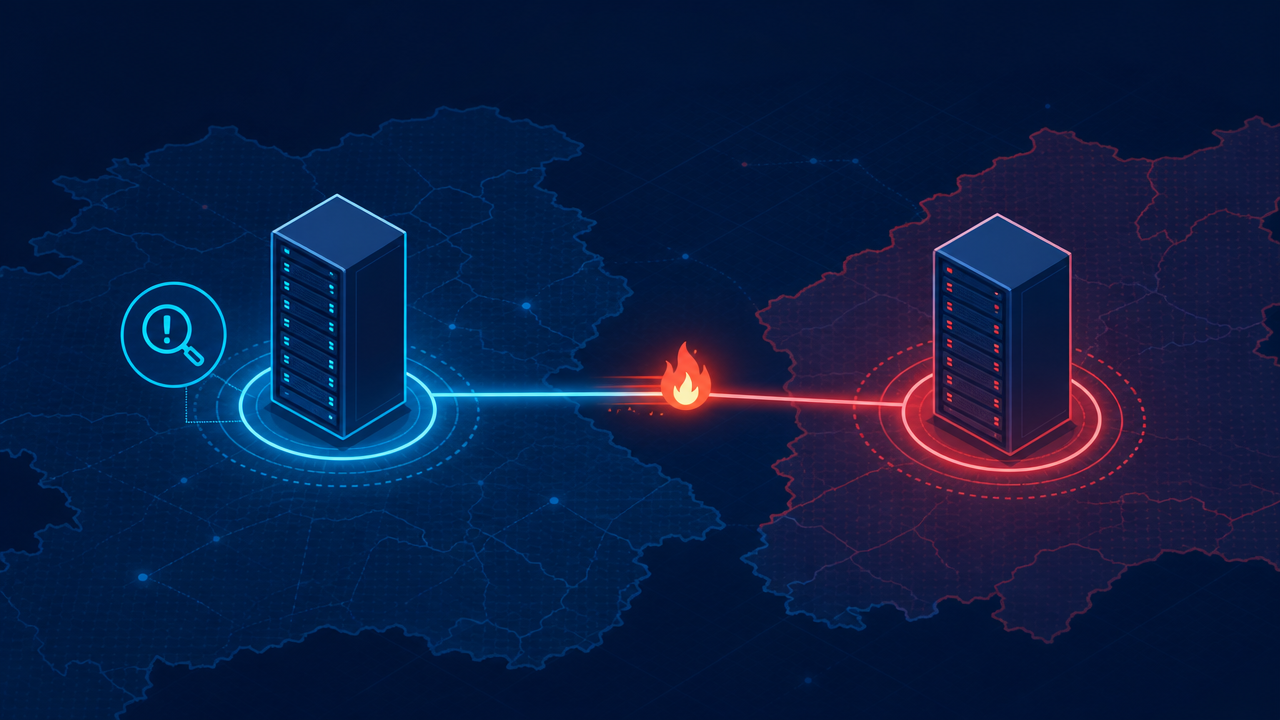
Two connected server racks on a map, one under investigation with a magnifying glass icon, connected by a line with a spreading fire icon reaching the second server rack which is beginning to glow red

Every large-scale outage postmortem has a root cause, and “retry amplification overwhelming a shared load balancer” is a familiar one — it’s a well-understood failure mode in distributed systems, not a novel discovery. What makes this incident worth examining isn’t the mechanism, it’s the sequencing: the same change that was already under active investigation as a suspected cause of instability continued rolling out to additional regions while that investigation was ongoing. Whatever gating existed between “this rollout is suspected of causing an incident in Region A” and “this rollout should be paused everywhere until we understand it” either didn’t fire, or the connection between the Australia East symptoms and the in-flight Sweden Central rollout wasn’t made until after the second region was already affected.

That’s a coordination and change-management failure sitting on top of the technical one. The retry-storm mechanism explains why the outage happened at all. The decision to keep deploying the same change during an active, unresolved incident explains why it got dramatically worse partway through, rather than resolving after the first region’s mitigation.

What Makes This an AI-Infrastructure Story Specifically

The system that got overwhelmed wasn’t generic Azure compute — it was the Azure OpenAI Service’s inference routing layer, the shared infrastructure that customer applications hit every time they send a request to a hosted AI model. That’s a meaningfully different blast radius than a single product outage: any application built on Azure OpenAI Service, across every customer using it in the affected regions, inherited the latency, timeouts, and 5XX errors simultaneously, for the duration of the incident. Reports of impact concentrated in Europe and Australia East track directly with which regions actually received the problematic rollout.

Microsoft has since said it’s implementing stronger overload prevention and workload throttling controls, with an estimated completion date in July 2026, alongside ongoing work to remove single points of failure in the inference routing layer specifically. Both responses target the technical failure mode. Neither directly addresses the sequencing failure — continuing a risky rollout mid-investigation — which is arguably the more procedurally interesting lesson buried in an otherwise ordinary infrastructure postmortem.

  • On June 8, 2026
  • 0 Comment
Tags: AI, Azure, cloud infrastructure, DevOps, outage

Leave Reply Cancel reply

Your email address will not be published. Required fields are marked *

Recent Posts
  • Why Load Test Numbers Lie
  • When Config Became Executable: The Twenty-Year Pattern Behind Supply Chain Attacks
  • How Software Became a Medical Device
  • Compliant With What? A Working Map of GDPR, HIPAA, SOC 2 and ISO 27001
  • Local AI vs Cloud AI: The Break-Even Is About Utilization, Not Tokens
Categories
  • ai (7)
  • android (18)
  • apple (36)
  • chart (18)
  • cloud (1)
  • fix (42)
  • games (11)
  • google (31)
  • hardware (73)
  • healthcare (3)
  • how to (231)
  • internet (92)
  • ios (23)
  • macos (3)
  • microsoft (82)
  • mobile (36)
  • news (74)
  • optimization (17)
  • osx (4)
  • outsourcing (8)
  • qa (3)
  • regulation (7)
  • review (120)
  • security (37)
  • software (159)
  • windows (150)
Archives
  • August 2026
  • July 2026
  • June 2026
  • May 2026
  • August 2025
  • March 2025
  • February 2025
  • April 2023
  • March 2023
  • February 2023
  • January 2023
  • March 2022
  • January 2022
  • December 2021
  • November 2021
  • October 2021
  • September 2021
  • August 2021
  • July 2021
  • June 2021
  • May 2021
  • April 2021
  • March 2021
  • February 2021
  • January 2021
  • December 2020
  • November 2020
  • October 2020
  • September 2020
  • August 2020
  • July 2020
  • June 2020
  • May 2020
  • April 2020
  • March 2020
  • February 2020
  • January 2020
  • December 2019
  • November 2019
  • October 2019
  • September 2019
  • August 2019
  • April 2019
  • March 2019
  • February 2019
  • January 2019
  • December 2018
  • November 2018
  • October 2018
  • September 2018
  • June 2018
  • May 2018
  • April 2018
  • February 2018
  • January 2018
  • December 2017
  • November 2017
  • October 2017
  • June 2017
  • May 2017
  • April 2017
  • March 2017
  • February 2017
  • January 2017
  • December 2016
  • November 2016
  • October 2016
  • September 2016
  • August 2016
  • July 2016
  • June 2016
  • May 2016
  • April 2016
  • March 2016
  • February 2016
  • January 2016
  • December 2015
  • November 2015
  • October 2015
  • September 2015
  • July 2015
  • January 2015
Archives
  • August 2026
  • July 2026
  • June 2026
  • May 2026
  • August 2025
  • March 2025
  • February 2025
  • April 2023
  • March 2023
  • February 2023
  • January 2023
  • March 2022
  • January 2022
  • December 2021
  • November 2021
  • October 2021
  • September 2021
  • August 2021
  • July 2021
  • June 2021
  • May 2021
  • April 2021
  • March 2021
  • February 2021
  • January 2021
  • December 2020
  • November 2020
  • October 2020
  • September 2020
  • August 2020
  • July 2020
  • June 2020
  • May 2020
  • April 2020
  • March 2020
  • February 2020
  • January 2020
  • December 2019
  • November 2019
  • October 2019
  • September 2019
  • August 2019
  • April 2019
  • March 2019
  • February 2019
  • January 2019
  • December 2018
  • November 2018
  • October 2018
  • September 2018
  • June 2018
  • May 2018
  • April 2018
  • February 2018
  • January 2018
  • December 2017
  • November 2017
  • October 2017
  • June 2017
  • May 2017
  • April 2017
  • March 2017
  • February 2017
  • January 2017
  • December 2016
  • November 2016
  • October 2016
  • September 2016
  • August 2016
  • July 2016
  • June 2016
  • May 2016
  • April 2016
  • March 2016
  • February 2016
  • January 2016
  • December 2015
  • November 2015
  • October 2015
  • September 2015
  • July 2015
  • January 2015

FDA's AI Medical Device Approvals Aren't Just Growing — They're Finally Breaking Out of Radiology

Previous thumb

OpenAI Wants to Give the US Government a 5% Stake. The Pitch Compares It to Alaska's Oil Fund — But AI Isn't Oil.

Next thumb
Scroll

Services

  • Software Development
  • Quality Assurance
  • Customer Support
  • Managed Services
  • 24/7 Emergency IT Support
  • Competency Center
  • Local AI Agent Development
  • Software as a Medical Device

Compliance

  • Compliance Audit
  • GDPR Compliance
  • What is GDPR
  • ISO 9001:2015 Certification

Company

  • About Us
  • All Services
  • Projects
  • Case Studies
  • Articles
  • Contact
About HiTech Service

With 10 year experience of working together, we have reached tangible synergetic effect in performance and productivity, which results in highest quality services and satisfied clients.

Privacy Policy   Cookie Policy


  • Facebook
  • X
  • LinkedIn
CONTACT INFO
  • 900 Foulk Rd, Suite 201, Wilmington, DE, USA, 19803
  • Kudryavs’kyi descent 5b, Kyiv, Ukraine, 04053
  • +1 646.844.5712 (US)
ISO 9001:2015 certificate issued to HiTech Service LLC by Veritas
RIPE Atlas logo, the network measurement community HiTech Service takes part in
BrainBasket Foundation logo, IT education initiative HiTech Service supports
HiTech Service LLC membership badge of the Hi-Tech Office Ukraine association Dun & Bradstreet verified business badge for HiTech Service LLC
YouTeam partner badge for HiTech Service LLC
Hitech Service LLC

Copyright 2026