
Have any questions? +1 646.844.5712 (US)

  • Facebook
  • LinkedIn
  • Twitter
HiTech ServiceHiTech Service
  • Home
  • About
  • Services
    • Software Development
    • Customer Support
    • Quality Assurance
    • Managed Services
    • Compliance Audit
    • GDPR Compliance
    • Competency Center
    • Emergency IT Support
    • Software as medical device
    • Local AI Agent Development
  • Projects
  • GDPR
  • Articles
  • Case Studies
  • Contact
Menu
  • Home
  • About
  • Services
    • Software Development
    • Customer Support
    • Quality Assurance
    • Managed Services
    • Compliance Audit
    • GDPR Compliance
    • Competency Center
    • Emergency IT Support
    • Software as medical device
    • Local AI Agent Development
  • Projects
  • GDPR
  • Articles
  • Case Studies
  • Contact
satelite

Wireless technologies, how it works

Modern technology has much simplified our everyday tasks. Wireless technologies have contributed a lot to this, being one of the most advanced and fastest growing in demand. Wireless technology made it a lot easier to unite different kinds of devices under one group in order to share information. This all works wirelessly, allowing the connected devices to stay on the go, not bound to the cable, and still remain online. So, what is the wireless technology? To answer this question we need to understand what is a computer network.


This is an integration of computers, laptops and other devices into one group aiming at exchanging information, files, communication, sharing of resources and so on.

To organise these networks one can use either wired or wireless type of connection. In the first case it is clear – the connection is done via a cable. But in the second case things are a bit more complicated. Today we have several wireless technologies – WiFi, Bluetooth and WiMAX.

They all work on the radio waves. That means that the data transfer occurs using a specific radio frequency. The difference between them is only in the latitude and the frequency of the wave. With these technologies, you can create a computer network without any cables. This greatly simplifies the man work, as well as reduces expenses on cables, connectors etc.

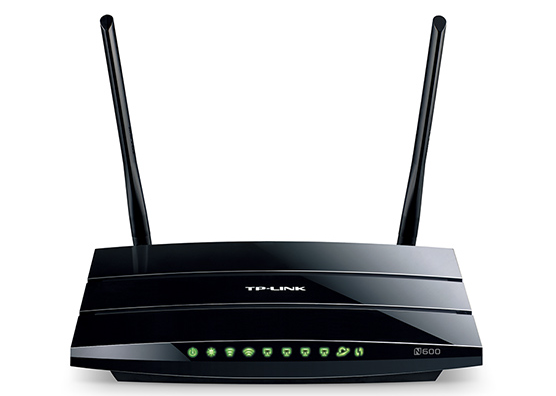
Wireless network is the same computer network, but organized without any wires. That is, all connections are made via radio channels. At the same time when it comes to WiFi technology, the data transfer rate stands in line with cable connection. The coverage of one access point reaches 100 meters within direct eyesight and 10 meters in apartments and offices.

Bluetooth cannot offer such a data rate and range, but it is very appropriate and useful in certain cases. WiMAX – is a mobile technology< that provides users with access to high speed internet.

WiFi technology is most popular in organizing of a private network groups, as it is most efficient when it comes to determine the compromise between price and operation coverage.

Moreover, any modern laptop, smartphone, tablet, TV, printer and other equipment has a built-in WiFi module. This makes the technology fully universal and ideal solution for home and office.
Wireleess technology how it works 02 — Wireless technologies, how it works

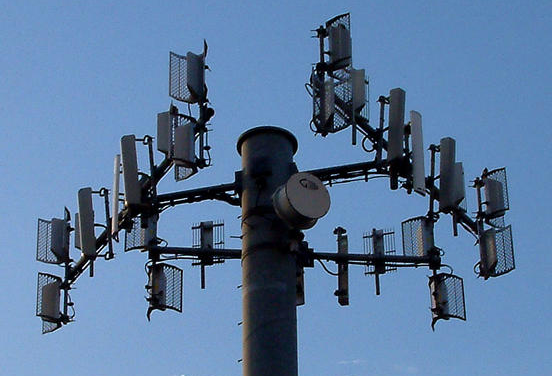
WiMAX is in many aspects similar to WiFi technology. The main difference here is in coverage – WiMAX can reach supported devices within 30 miles distance from the transmitter. Even though it has a larger coverage range, WiMAX devices are bigger, considerably more expensive and are not that energy efficient. More likely it can be used to connect one large computer network to another in places where cable connection is limited or not efficient.


Wireleess technology how it works 03 — Wireless technologies, how it works

There are several types of wireless networks that differ in scale:

PAN – the simplest type of connection that unites together devices of one owner like a PC, laptop, tablet and smartphone located in the same apartment;

LAN – more popular type of connection. AN in this case means Area Network, L – local (local). Such networks connect two or more computers in the same apartment or in the whole building;

CAN – campus communication, which is able to combine several closely spaced buildings;

MAN – it is the second largest type of connection that can connect computers within a single or even several neighboring towns;

WAN – the so-called global network that can connect subscriber units within the entire regions and countries.

As you may have guessed,  PAN and LAN are only used for private purposes. However, it should be noted that WAN can integrate all these connection types, providing users with access to the Internet.

For example, organizing a home WiFi network with a router, the user can connect the whole network to the Internet plugging in the cable from ISP. The network will then get access to global web.

Wireless communication technologies are in demand nowadays, so they have great prospects. In the future, people will be able to completely abandon the wired connection and go mobile. This is not only convenient, but also profitable, as cable internet is quite expensive.


  • On August 15, 2016
  • 0 Comment

Leave Reply Cancel reply

Your email address will not be published. Required fields are marked *

Recent Posts
  • How AI and Automation Are Changing IT Service Delivery
  • Managed IT Services vs. In-House IT: What Should You Choose?
  • When the Model Is the Vendor: What Happens to Compliance When You Don’t Own the Weights
  • The Edge Device Is the Perimeter: Why the Box You Bought to Keep Them Out Is How They Get In
  • The Password Memo Was Honest. The Checklist Wasn’t.
Categories
  • ai (10)
  • android (18)
  • apple (36)
  • chart (18)
  • cloud (1)
  • fix (42)
  • games (11)
  • google (31)
  • hardware (73)
  • healthcare (3)
  • how to (231)
  • internet (92)
  • ios (23)
  • macos (3)
  • microsoft (82)
  • mobile (36)
  • news (74)
  • optimization (17)
  • osx (4)
  • outsourcing (9)
  • qa (3)
  • regulation (8)
  • review (120)
  • security (41)
  • software (160)
  • windows (150)
Archives
  • September 2026
  • August 2026
  • July 2026
  • June 2026
  • May 2026
  • August 2025
  • March 2025
  • February 2025
  • April 2023
  • March 2023
  • February 2023
  • January 2023
  • March 2022
  • January 2022
  • December 2021
  • November 2021
  • October 2021
  • September 2021
  • August 2021
  • July 2021
  • June 2021
  • May 2021
  • April 2021
  • March 2021
  • February 2021
  • January 2021
  • December 2020
  • November 2020
  • October 2020
  • September 2020
  • August 2020
  • July 2020
  • June 2020
  • May 2020
  • April 2020
  • March 2020
  • February 2020
  • January 2020
  • December 2019
  • November 2019
  • October 2019
  • September 2019
  • August 2019
  • April 2019
  • March 2019
  • February 2019
  • January 2019
  • December 2018
  • November 2018
  • October 2018
  • September 2018
  • June 2018
  • May 2018
  • April 2018
  • February 2018
  • January 2018
  • December 2017
  • November 2017
  • October 2017
  • June 2017
  • May 2017
  • April 2017
  • March 2017
  • February 2017
  • January 2017
  • December 2016
  • November 2016
  • October 2016
  • September 2016
  • August 2016
  • July 2016
  • June 2016
  • May 2016
  • April 2016
  • March 2016
  • February 2016
  • January 2016
  • December 2015
  • November 2015
  • October 2015
  • September 2015
  • July 2015
  • January 2015
Archives
  • September 2026
  • August 2026
  • July 2026
  • June 2026
  • May 2026
  • August 2025
  • March 2025
  • February 2025
  • April 2023
  • March 2023
  • February 2023
  • January 2023
  • March 2022
  • January 2022
  • December 2021
  • November 2021
  • October 2021
  • September 2021
  • August 2021
  • July 2021
  • June 2021
  • May 2021
  • April 2021
  • March 2021
  • February 2021
  • January 2021
  • December 2020
  • November 2020
  • October 2020
  • September 2020
  • August 2020
  • July 2020
  • June 2020
  • May 2020
  • April 2020
  • March 2020
  • February 2020
  • January 2020
  • December 2019
  • November 2019
  • October 2019
  • September 2019
  • August 2019
  • April 2019
  • March 2019
  • February 2019
  • January 2019
  • December 2018
  • November 2018
  • October 2018
  • September 2018
  • June 2018
  • May 2018
  • April 2018
  • February 2018
  • January 2018
  • December 2017
  • November 2017
  • October 2017
  • June 2017
  • May 2017
  • April 2017
  • March 2017
  • February 2017
  • January 2017
  • December 2016
  • November 2016
  • October 2016
  • September 2016
  • August 2016
  • July 2016
  • June 2016
  • May 2016
  • April 2016
  • March 2016
  • February 2016
  • January 2016
  • December 2015
  • November 2015
  • October 2015
  • September 2015
  • July 2015
  • January 2015

POP3 vs IMAP

Previous thumb

How to upgrade Windows 10 from 32 bit up to 64 bit

Next thumb
Scroll

Services

  • Software Development
  • Quality Assurance
  • Customer Support
  • Managed Services
  • 24/7 Emergency IT Support
  • Competency Center
  • Local AI Agent Development
  • Software as a Medical Device

Compliance

  • Compliance Audit
  • GDPR Compliance
  • What is GDPR
  • ISO 9001:2015 Certification

Company

  • About Us
  • All Services
  • Projects
  • Case Studies
  • Articles
  • Contact
About HiTech Service

With 10 year experience of working together, we have reached tangible synergetic effect in performance and productivity, which results in highest quality services and satisfied clients.

Privacy Policy   Cookie Policy


  • Facebook
  • X
  • LinkedIn
CONTACT INFO
  • 900 Foulk Rd, Suite 201, Wilmington, DE, USA, 19803
  • Kudryavs’kyi descent 5b, Kyiv, Ukraine, 04053
  • +1 646.844.5712 (US)
ISO 9001:2015 certificate issued to HiTech Service LLC by Veritas
RIPE Atlas logo, the network measurement community HiTech Service takes part in
BrainBasket Foundation logo, IT education initiative HiTech Service supports
HiTech Service LLC membership badge of the Hi-Tech Office Ukraine association Dun & Bradstreet verified business badge for HiTech Service LLC
YouTeam partner badge for HiTech Service LLC
Hitech Service LLC

Copyright 2026